

The digital design industry has become more competitive than ever. Every day, thousands of new design assets appear across marketplaces, portfolio websites, and subscription platforms. Because of this growing competition, promoting icon sets effectively has become just as important as creating them. Designers who understand how to market their products strategically often gain far more visibility and sales than equally talented creators who rely only on marketplaces alone.
Social platforms focused on design now influence buying decisions heavily. Designers, developers, startup founders, marketers, and content creators constantly browse these communities searching for inspiration, tools, and digital resources. Consequently, creators who establish strong visibility within these spaces often build larger audiences and stronger recurring income over time.
Modern buyers rarely discover products by accident anymore. Instead, they encounter resources repeatedly through social content, community recommendations, tutorials, and creator branding. This shift means designers must think beyond simply uploading icon packs and waiting for downloads.
Fortunately, promoting icon sets does not require massive advertising budgets. Strategic content, consistency, community engagement, and strong presentation can generate impressive results even for smaller creators. Designers who understand audience behavior and platform dynamics can build meaningful visibility gradually while strengthening long-term brand recognition.
Importantly, social promotion also creates opportunities beyond direct sales. Partnerships, freelance inquiries, collaborations, and affiliate opportunities often emerge naturally from consistent online visibility.
Why Design Platforms Matter for Icon Creators
Design-focused platforms attract highly targeted audiences. Unlike general social networks, these communities already contain people interested in creative work, digital products, and design resources. This makes them especially valuable for icon creators.
Promoting icon sets on design platforms works well because users actively search for inspiration and tools they can apply immediately to projects. Designers browsing Behance, Dribbble, Pinterest, or design-focused communities often discover assets while researching interfaces, branding systems, or visual styles.
Trust also develops more naturally within creative communities. Audiences tend to respect creators who consistently share useful work and thoughtful insights. Over time, this credibility increases the likelihood of product purchases and recommendations.
Visual presentation plays a major role too. Design platforms prioritize imagery and creative quality, which allows strong icon systems to stand out effectively when displayed properly.
Another advantage involves long-term discoverability. Unlike short-lived content on some social platforms, portfolio sites and design communities often continue generating traffic months or years after publication.
Networking opportunities additionally increase significantly. Designers, developers, startup founders, and creative directors frequently explore these spaces looking for collaborators and resources. Consequently, visibility may lead to freelance opportunities alongside product sales.
Importantly, design communities encourage sharing. High-quality icon previews, mockups, and case studies often spread organically when audiences find them useful or inspiring.
Choosing the Right Platforms for Promotion
Not every platform serves the same purpose. Therefore, promoting icon sets effectively requires understanding where target audiences spend time and how each platform functions.
Behance works especially well for detailed case studies and polished presentations. Designers can showcase complete icon systems, explain workflows, and demonstrate usability within realistic interfaces. Because projects remain searchable long term, Behance supports ongoing visibility effectively.
Dribbble focuses more heavily on quick visual impact. Smaller previews, animations, and clean mockups perform particularly well there. Since audiences scroll rapidly, strong first impressions matter greatly.
Pinterest provides surprisingly strong long-term traffic potential. Many designers, bloggers, and marketers search Pinterest for interface inspiration and digital resources regularly. Well-designed pins may continue generating clicks for extended periods.
LinkedIn has also become increasingly important for professional visibility. Sharing design insights, icon trends, and project breakdowns can attract business audiences, startup founders, and potential collaborators naturally.
X and Threads often support conversation-driven visibility. Designers who share process insights, updates, and design opinions consistently may build engaged communities over time.
YouTube and TikTok additionally create strong opportunities through educational content. Tutorials, workflow videos, and icon creation timelapses frequently attract viewers interested in design resources.
Importantly, creators should avoid spreading themselves too thin. Focusing deeply on a few platforms often produces stronger results than posting inconsistently everywhere.
How Presentation Affects Sales
Visual presentation strongly influences product perception. Even excellent icons may struggle commercially if previews feel cluttered, outdated, or poorly organized.
Promoting icon sets successfully requires clean and intentional presentation. Buyers need to understand product quality quickly within seconds of seeing previews online.
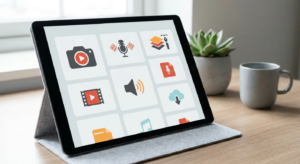
Mockups help significantly because they demonstrate real-world application. Instead of showing isolated icons only, creators should display icons within dashboards, mobile apps, websites, presentations, or branding systems.
Consistency also matters greatly. Organized grids, balanced spacing, and cohesive visual layouts immediately increase professionalism and trust.
Color usage can improve engagement too. While neutral previews often feel modern, selective accent colors help highlight important features and create stronger visual hierarchy.
Animations frequently increase attention as well. Simple hover effects, micro-interactions, or icon transitions make content feel more dynamic and memorable across social platforms.
Context improves perceived value. Showing how icon systems solve interface or branding problems helps audiences understand practical usefulness rather than viewing assets as decorative visuals alone.
Importantly, creators should optimize previews for each platform individually. What works on Pinterest may not perform equally well on LinkedIn or Dribbble because audience behavior differs significantly.
Building Consistency Without Burning Out
One of the biggest challenges creators face involves maintaining visibility consistently. Social platforms reward regular activity, yet constant content creation may quickly become exhausting without structure.
Promoting icon sets sustainably requires systems rather than random posting habits. Designers who batch content creation often maintain better consistency while reducing stress significantly.
Repurposing content helps greatly. A single icon collection can become multiple posts across different platforms through mockups, close-up previews, process videos, tutorials, and case studies.
Scheduling tools additionally improve efficiency. Planning content in advance reduces daily pressure and supports more organized workflows.
Another effective strategy involves documenting creative processes naturally. Instead of creating promotional content separately, designers can share real workflow moments during icon development.
Educational content performs especially well over time. Tips about interface design, icon consistency, branding, or usability help establish authority while promoting products indirectly.
Importantly, creators should prioritize quality over frequency. Posting fewer strong visuals usually performs better than flooding platforms with rushed or repetitive content.
Rest also matters. Sustainable growth comes from consistency over months and years rather than short periods of extreme productivity followed by burnout.
Why Storytelling Improves Product Visibility
Modern audiences connect strongly with stories and context. Simply posting icon previews without explanation often creates less engagement than sharing the thinking behind the work.
Promoting icon sets through storytelling helps products feel more memorable and valuable. Explaining design decisions, usability goals, or branding inspiration creates emotional connection and credibility simultaneously.
Process breakdowns perform especially well because audiences enjoy seeing how creative systems evolve. Sketches, iterations, and problem-solving insights make products feel more human and thoughtful.
Storytelling additionally supports differentiation. Many marketplaces contain visually similar products, yet personal narratives and creative perspectives help creators stand out more clearly.
Another advantage involves audience trust. Designers who communicate openly about workflow challenges and creative decisions often appear more authentic and approachable.
Case studies strengthen storytelling further. Showing how icons improved a dashboard, mobile app, or startup brand demonstrates practical impact rather than aesthetic quality alone.
Importantly, storytelling should remain clear and concise. Audiences generally respond better to focused narratives rather than overly technical explanations.
Community Engagement Creates Organic Growth
Social visibility depends heavily on interaction and relationships. Designers who participate actively within creative communities often experience stronger long-term growth than creators focused only on self-promotion.
Commenting thoughtfully on other projects increases visibility naturally. Genuine engagement builds recognition while strengthening professional relationships over time.
Promoting icon sets becomes easier when audiences already recognize the creator’s name and style. Familiarity increases trust significantly within creative communities.
Supporting other designers also encourages reciprocity. Many creators naturally share or recommend work from people who contribute positively to discussions and communities.
Feedback exchanges can additionally improve product quality. Engaged communities often provide useful suggestions regarding usability, trends, and presentation improvements.
Collaboration opportunities emerge more frequently too. Designers who remain active within creative spaces may connect with developers, educators, agencies, and content creators organically.
Importantly, community participation should feel authentic rather than transactional. Audiences quickly notice when creators interact only for visibility purposes.
Building relationships gradually usually creates stronger long-term opportunities than aggressive self-promotion alone.
How SEO Supports Social Promotion
Search optimization plays an important role even within visual platforms. Many creators overlook SEO entirely when promoting digital products socially.
Promoting icon sets effectively often requires strong titles, descriptions, hashtags, and keywords. Searchable content increases discoverability both within platforms and through external search engines.
Clear naming conventions help audiences understand products immediately. Generic titles often disappear within crowded search results, while descriptive naming improves visibility significantly.
Keywords should reflect actual buyer behavior. Terms related to UI design, SaaS dashboards, productivity apps, mobile interfaces, and branding systems frequently attract relevant audiences.
Pinterest especially benefits from SEO-focused descriptions and titles because search functionality drives much of the platform’s traffic behavior.
Blog content can additionally support long-term discoverability. Articles discussing icon trends, usability, or workflow strategies may attract audiences already interested in digital resources.
Importantly, optimization should still feel natural. Overloading descriptions with repetitive keywords often reduces readability and professionalism.
The Growing Importance of Personal Branding
Designers increasingly compete not only through products but also through identity and reputation. Consequently, personal branding now plays a major role in promoting icon sets successfully.
Strong personal brands create familiarity and trust. Audiences who recognize a creator’s style, voice, or design philosophy often become repeat customers over time.
Consistency across platforms helps reinforce recognition. Similar visual presentation, tone, and messaging create stronger professional identity overall.
Educational content additionally strengthens authority. Designers who teach workflows, discuss trends, or share insights frequently become trusted industry voices.
Personal branding also improves pricing power. Buyers often pay more for products from creators they perceive as experienced and credible.
Importantly, authenticity matters greatly. Forced branding or exaggerated expertise may damage trust rather than strengthen it.
Designers should focus on communicating genuine creative perspectives and values consistently across platforms and products.
Conclusion
The modern digital design market continues growing rapidly, and promoting icon sets effectively has become essential for long-term success. Strong products alone rarely guarantee visibility within crowded marketplaces and creative communities.
Design-focused social platforms now provide powerful opportunities for independent creators to build audiences, attract customers, and strengthen personal brands. Designers who combine thoughtful presentation, storytelling, community engagement, and strategic consistency often achieve stronger results over time.
Importantly, promotion should support long-term relationships rather than quick sales alone. Audiences increasingly value authenticity, educational content, and creative transparency within digital communities.
As demand for digital assets continues expanding, creators who understand how to market icon systems effectively may build sustainable businesses that extend far beyond one-time product sales.
For modern icon designers, visibility is no longer optional. It is now a core part of building a successful and scalable creative career online.
FAQ
1. Which Social Platforms Work Best for Icon Designers?
Behance, Dribbble, Pinterest, LinkedIn, and design-focused communities often perform well for showcasing digital assets.
2. Why Are Mockups Important for Digital Products?
Mockups help buyers visualize how icon systems work within real interfaces, websites, and branding environments.
3. How Often Should Designers Post Online?
Consistent posting matters more than frequency. Sustainable schedules usually create stronger long-term audience growth.
4. Does Storytelling Improve Product Marketing?
Yes, storytelling helps audiences connect emotionally with products while understanding creative decisions and usability benefits.
5. Can Smaller Designers Build Strong Visibility Online?
Absolutely. Consistent content, thoughtful engagement, and high-quality presentation often help smaller creators grow successfully over time.