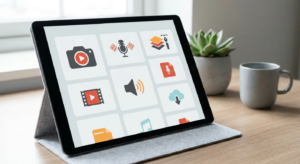


The digital design industry continues evolving rapidly, and visual trends change faster every year. For designers who create digital assets, understanding icon design trends has become essential for staying competitive and increasing product sales. Businesses, developers, startups, and content creators all rely heavily on icons to improve communication and user experience. As a result, buyers now expect icon systems that feel modern, functional, and adaptable across multiple platforms.
In 2025, icon design is moving beyond simple aesthetics alone. Buyers increasingly care about usability, scalability, accessibility, and brand consistency. Clean visuals still matter greatly, yet practical application has become just as important. Designers who understand these changes can position their products more effectively and create assets that appeal to modern digital markets.
The growing popularity of SaaS platforms, AI tools, mobile apps, and no-code systems has also increased demand for versatile icon libraries. Since more businesses now build digital products regularly, the need for polished icon systems continues expanding.
However, following trends blindly rarely guarantees success. Designers who simply copy popular styles often struggle to stand out within crowded marketplaces. Instead, successful creatives combine trend awareness with strong usability and thoughtful execution. Understanding how visual preferences evolve helps designers create icon systems that feel current while maintaining long-term value.
Why Icon Trends Matter More Than Ever
Icons influence digital experiences in subtle but powerful ways. They guide navigation, simplify communication, and support branding across websites, apps, dashboards, and marketing materials. Because users interact with icons constantly, visual trends directly affect how products feel emotionally and functionally.
Modern icon design trends reflect broader shifts within technology and consumer behavior. As interfaces become cleaner and more mobile-focused, icon systems must adapt accordingly. Buyers now prefer visuals that work smoothly across different screen sizes, devices, and platforms.
User expectations have also increased significantly. Generic or outdated icons can make entire products feel less professional, even when the underlying functionality works perfectly. Consequently, businesses invest more heavily in high-quality iconography that aligns with modern design standards.
Competition within digital marketplaces additionally drives trend evolution. Designers constantly search for ways to differentiate products and attract attention quickly. Since customers compare assets visually within seconds, trend relevance can strongly influence purchasing decisions.
Another important factor involves branding consistency. Companies increasingly want icon systems that integrate naturally into broader visual identities. Therefore, cohesive and modern icon styles often perform better commercially.
Importantly, trends also influence perceived usability. Clean and intuitive icons help users navigate products faster, which improves overall experiences. Designers who understand this relationship create assets that feel both attractive and functional.
Minimal Line Icons Continue Dominating
One of the strongest icon design trends entering 2025 remains minimalist line-based iconography. Clean outlines, balanced spacing, and simplified geometry continue appealing to modern digital products because they support clarity and scalability effectively.
Minimal line icons perform especially well within SaaS platforms, mobile interfaces, productivity tools, and startup branding systems. Their lightweight appearance helps interfaces feel less cluttered while maintaining strong readability.
Buyers also appreciate their flexibility. Thin-line systems adapt easily across websites, presentations, dashboards, and marketing materials without overwhelming surrounding layouts.
However, successful minimalist icons require precision. Poor spacing, inconsistent stroke widths, or weak alignment immediately reduce professionalism. Therefore, designers must focus heavily on visual consistency.
Rounded corners and softer geometric forms are becoming more common as well. Many modern brands now prefer approachable visual identities instead of sharp corporate aesthetics. Consequently, smoother icon systems often feel more contemporary and user-friendly.
Another reason minimalist styles remain strong involves compatibility with dark mode interfaces. Clean outlines typically translate well across both light and dark environments, making them practical for modern UI systems.
Importantly, simplicity should never reduce clarity. Effective minimalist icons still communicate meaning instantly without forcing users to guess their purpose.
Bold Filled Icons Are Returning
Although minimal line styles remain popular, bold filled icon systems are making a strong comeback in 2025. Many brands now combine clean interfaces with more expressive visuals to create stronger personality and emotional impact.
Filled icons often feel more visible and accessible across smaller screens. Since mobile-first design continues dominating digital experiences, stronger visual presence helps improve recognition and usability.
This trend appears especially frequently within fintech apps, educational platforms, entertainment brands, and social products. These industries often prioritize engagement and emotional connection alongside functionality.
Modern filled icons usually avoid excessive detail. Instead, designers focus on simple geometric forms with balanced proportions and intentional negative space.
Rounded filled icons are particularly popular because they create softer and more approachable experiences. This style aligns well with brands seeking friendliness and accessibility rather than rigid professionalism.
Another reason filled systems perform well involves scalability. Bold shapes often remain readable even at very small sizes, which improves practical usability significantly.
Importantly, successful filled icons still require restraint. Overly heavy visuals may create cluttered interfaces if spacing and hierarchy are not managed carefully.
Custom Brand Personality Is Becoming Essential
Businesses increasingly want visual systems that feel unique rather than generic. Consequently, one of the most important icon design trends for 2025 involves stronger brand customization.
Many companies no longer rely entirely on standard marketplace assets because differentiation matters more within crowded digital spaces. Instead, brands seek icon systems that reflect their tone, values, and visual identity directly.
Custom personality may appear through distinctive shapes, playful proportions, unusual geometry, or subtle stylistic details. Even small visual differences can help products feel more recognizable.
This trend creates strong opportunities for independent designers. Businesses often pay higher rates for unique icon systems tailored specifically to their branding needs.
However, personality should still support usability. Highly experimental icons sometimes reduce clarity if visual communication becomes too abstract. Therefore, balancing creativity with practicality remains important.
Brands also increasingly prioritize emotional design. Icons that feel warm, friendly, energetic, or calming can influence user perception significantly. Designers who understand emotional branding often create stronger commercial products.
Importantly, custom iconography helps businesses build stronger consistency across websites, apps, presentations, onboarding systems, and marketing materials simultaneously.
Accessibility Is Driving Modern Design Decisions
Accessibility is no longer optional within modern digital products. As awareness grows globally, icon design trends increasingly prioritize readability, contrast, and usability across diverse audiences.
Designers now focus more carefully on stroke clarity, spacing, color contrast, and recognizable symbolism. Icons must communicate effectively regardless of screen size, lighting conditions, or visual limitations.
Simple geometry often improves accessibility because users recognize familiar forms more quickly. Therefore, many modern systems avoid unnecessary complexity or decorative details.
Consistent sizing also matters greatly. Uneven proportions can create confusion within interfaces and reduce overall usability. Buyers increasingly expect professionally structured systems with predictable scaling behavior.
Dark mode compatibility additionally influences accessibility-focused design. Icons need sufficient visibility across different backgrounds and themes without losing clarity.
Motion design integration is becoming more important too. Some modern systems include subtle animated states that improve navigation feedback and interaction understanding.
Importantly, accessible design often improves commercial success directly. Products that feel easier to use typically create better customer experiences and stronger user retention.
3D and Hybrid Styles Are Expanding Carefully
Three-dimensional iconography continues growing within specific industries, although the trend has evolved significantly compared to earlier years. Modern 3D systems now focus more on subtle depth and realism rather than exaggerated visual effects.
Many icon design trends in 2025 combine flat simplicity with soft dimensional details. Designers use shadows, gradients, and layered depth carefully to create modern hybrid aesthetics.
This style appears frequently within AI products, gaming platforms, fintech startups, and marketing visuals. These industries often seek visually dynamic experiences that stand out quickly.
However, practical usability still matters. Overly complex 3D icons may reduce readability at smaller sizes or create inconsistent interface experiences.
Successful hybrid systems maintain clean silhouettes while introducing controlled depth and texture. This balance helps products feel modern without sacrificing functionality.
Gradients are also returning in more refined ways. Soft transitions and restrained color palettes now replace the aggressive neon gradients popular several years ago.
Importantly, designers should evaluate whether dimensional styles fit the target audience and product environment before adopting them broadly.
AI Influence Is Changing Buyer Expectations
Artificial intelligence continues shaping creative industries rapidly, and icon design trends increasingly reflect this shift. Buyers now expect faster production cycles, larger asset libraries, and more adaptable design systems.
AI tools also influence visual experimentation. Designers can generate concepts and variations more quickly than before, which encourages broader exploration during creative processes.
However, human refinement remains critical. AI-generated visuals often lack consistency, intentional spacing, and strong usability principles. Consequently, professionally crafted icon systems still maintain strong value.
Another important shift involves customization expectations. Businesses increasingly want flexible systems that adapt easily across products, themes, and branding updates.
Designers who combine AI-assisted workflows with strong human design judgment may gain significant advantages in efficiency and scalability.
Importantly, originality becomes even more valuable as automation increases. Buyers still appreciate thoughtfully designed systems that feel cohesive, strategic, and visually distinctive.
Why Trend Awareness Helps Increase Sales
Understanding icon design trends helps creators position products more effectively within competitive marketplaces. Buyers naturally gravitate toward assets that feel current, polished, and professionally aligned with modern interfaces.
Trend awareness also improves marketing. Designers who understand current visual preferences can create stronger previews, mockups, and promotional materials that connect more effectively with target audiences.
However, long-term success still depends on usability and consistency. Following trends without maintaining strong design fundamentals often creates short-lived products that age quickly.
Balanced execution usually performs best commercially. Designers who combine modern aesthetics with practical usability create assets that remain relevant longer while still appealing to current buyers.
Importantly, trends should support strategic thinking rather than replace it. Successful designers evaluate why certain styles resonate instead of copying visuals blindly.
Another advantage involves adaptability. Designers who understand evolving trends can update existing libraries more effectively and identify future opportunities earlier.
Conclusion
The digital design industry continues evolving quickly, and icon design trends now influence both usability and commercial success more than ever before. Businesses increasingly expect icon systems that feel modern, flexible, accessible, and visually aligned with current interface standards.
Minimal line systems, bold filled icons, personalized branding styles, accessibility improvements, and subtle dimensional aesthetics all shape the future of iconography in 2025. However, strong usability and thoughtful execution remain the foundation of successful design.
Trend awareness helps designers stay competitive, yet originality still matters greatly. Creators who combine current visual preferences with strategic thinking often build stronger products and attract more buyers over time.
Most importantly, effective icons solve communication problems clearly and efficiently. As digital products continue expanding globally, designers who create modern, adaptable icon systems will likely remain in strong demand throughout the coming years.
FAQ
1. Why Do Modern Icon Styles Change So Quickly?
Digital interfaces evolve rapidly, so visual preferences shift regularly alongside technology, branding, and user experience trends.
2. Which Icon Style Is Most Popular in 2025?
Minimal line icons and clean filled systems remain highly popular because they balance clarity, scalability, and modern aesthetics.
3. Are Custom Icon Systems Better Than Generic Packs?
Custom systems often improve branding consistency and help businesses create more distinctive digital experiences.
4. How Important Is Accessibility in Modern Icon Design?
Accessibility is extremely important because readable and user-friendly icons improve navigation and overall digital usability.
5. Can Designers Use AI to Create Better Icon Systems?
AI can speed up concept generation, but human refinement remains essential for consistency, clarity, and professional quality.