

Modern design work has never been more exciting. At the same time, it has never been more overwhelming. Designers today have access to countless platforms, apps, plugins, collaboration tools, and AI-powered systems. While these resources promise faster workflows and better results, they often create the opposite effect. Tool overload for designers has become a growing issue that affects creativity, focus, and productivity in ways many professionals do not immediately recognize.
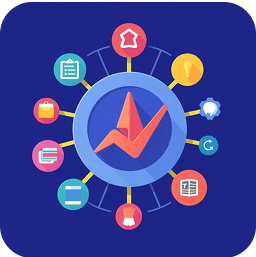
A designer may start the day opening Figma, Adobe Creative Cloud, Notion, Slack, Trello, Framer, Canva, ChatGPT, Loom, and several browser tabs before completing a single task. Although every tool seems useful, switching constantly between systems drains mental energy. Eventually, the workflow becomes fragmented, stressful, and difficult to manage.
The problem is not technology itself. Instead, the issue comes from relying on too many disconnected tools without a clear system. Fortunately, designers can simplify their process without sacrificing creativity or efficiency. With the right approach, it becomes possible to reduce distractions, improve concentration, and create a healthier design workflow.
Why Designers Experience Workflow Fatigue
Digital tools are designed to solve problems quickly. However, every additional platform also adds another layer of decisions, notifications, updates, and learning curves. As a result, many creatives spend more time managing software than producing actual design work.
Tool overload for designers often develops slowly. At first, downloading a new app feels productive because it promises improved collaboration or automation. Then another platform appears with better AI features, smoother prototyping, or stronger integrations. Over time, the stack becomes crowded and difficult to control.
This creates cognitive overload. The brain constantly shifts between interfaces, workflows, and communication styles. Consequently, designers lose momentum more frequently throughout the day. Even simple projects begin to feel mentally exhausting because attention is divided across multiple systems.
In addition, many designers feel pressure to stay updated with industry trends. New design software launches regularly, and social media encourages professionals to test every trending platform. Although learning matters, trying every tool rarely improves long-term performance. Instead, it often reduces mastery.
Another hidden issue involves decision fatigue. When several tools perform similar tasks, designers waste time deciding which one to use. This may seem minor initially. Nevertheless, repeated micro-decisions accumulate and reduce mental clarity by the end of the workday.
The Real Cost of Too Many Design Tools
Many creatives assume productivity issues come from poor time management. In reality, excessive software usage often plays a major role. Tool overload for designers can affect both professional performance and personal well-being.
One major consequence is reduced creative flow. Creativity thrives when concentration remains uninterrupted. Unfortunately, switching between applications interrupts momentum repeatedly. Every interruption forces the brain to reorient itself, making deep creative thinking harder to sustain.
Communication also becomes fragmented. Files may exist across cloud drives, design systems, messaging apps, and project boards simultaneously. Consequently, teams struggle to track feedback, revisions, and approvals efficiently.
Another challenge involves subscription fatigue. Designers frequently pay for overlapping software that provides nearly identical functions. While each monthly fee may appear manageable, combined subscriptions can significantly increase operational costs over time.
Stress levels also increase. Constant notifications, updates, and tool maintenance create a feeling of always being behind. Many creatives begin to confuse busyness with productivity, even when meaningful progress remains limited.
Furthermore, onboarding new team members becomes more difficult. Complex workflows with too many tools require extensive training and documentation. As a result, collaboration slows down instead of improving.
How Simplicity Improves Creative Performance
Reducing unnecessary tools does not limit creativity. In many cases, it enhances it. Simpler workflows allow designers to focus on problem-solving, storytelling, and visual communication rather than software management.
When designers streamline their process, they regain mental bandwidth. Instead of remembering dozens of shortcuts, integrations, and file locations, they can focus fully on design decisions. This creates smoother creative momentum throughout the day.
Simplified systems also improve consistency. Teams work faster when everyone understands the same workflow and uses standardized tools. Consequently, projects move forward with fewer misunderstandings and delays.
Additionally, fewer tools encourage deeper expertise. Rather than becoming average at many platforms, designers can master a smaller set of high-impact applications. This leads to better efficiency, stronger quality, and more confidence during projects.
Minimal workflows also reduce stress. Designers spend less time organizing software and more time producing meaningful work. Over time, this creates a healthier relationship with technology and improves overall job satisfaction.
Signs Your Workflow Has Become Too Complicated
Many professionals do not realize they are experiencing tool overload for designers until productivity drops significantly. However, several warning signs usually appear beforehand.
One common sign is constantly switching tabs during simple tasks. If creating a single design requires jumping across numerous applications repeatedly, the workflow may already be too fragmented.
Another indicator involves duplicate functionality. For example, using three separate note-taking apps or several communication platforms often creates unnecessary complexity rather than efficiency.
Frequent notification checking is another red flag. Designers who feel compelled to monitor every tool continuously rarely achieve deep focus. Instead, attention becomes reactive and scattered throughout the day.
Difficulty locating files also signals an overloaded system. If assets are spread across multiple storage services and collaboration platforms, organization problems eventually slow production.
In some cases, designers avoid learning certain tools altogether because the software ecosystem feels overwhelming. This hesitation often indicates that the workflow has expanded beyond practical limits.
Burnout can also develop gradually. Feeling mentally exhausted despite limited output usually suggests workflow inefficiencies rather than laziness or lack of skill.
Building a Leaner Design Workflow
Simplifying your workflow begins with evaluating every tool honestly. Not every platform deserves a permanent place in your process. Therefore, the first step involves identifying which tools genuinely improve productivity.
Start by categorizing your software into core functions such as design, communication, organization, prototyping, and automation. Then determine whether multiple tools serve the same purpose. In many cases, one platform can replace several smaller applications.
Tool overload for designers decreases significantly when workflows become centralized. Instead of spreading tasks across many disconnected systems, choose platforms that integrate naturally. This reduces context switching and improves efficiency.
It also helps to establish a “primary stack.” These are the essential tools you rely on daily. Everything else should support the primary stack rather than compete with it. For example, many designers can manage most projects using one design platform, one communication app, and one project management system.
Another effective strategy involves limiting experimentation. Testing new software occasionally remains valuable. However, avoid adopting every trending platform immediately. Instead, evaluate whether a tool solves a real problem before integrating it permanently.
Regular audits are equally important. Every few months, review your workflow and remove unused applications. This prevents clutter from accumulating again over time.
Balancing AI Tools Without Losing Focus
Artificial intelligence has introduced powerful opportunities for modern designers. AI can accelerate brainstorming, automate repetitive tasks, and improve efficiency dramatically. Nevertheless, AI platforms can also contribute to workflow overload when used without clear boundaries.
Many creatives now juggle multiple AI image generators, writing assistants, automation tools, and research platforms simultaneously. Although these technologies offer impressive features, excessive experimentation often creates confusion instead of productivity.
The key is intentional integration. Rather than using AI for everything, identify specific tasks where it provides measurable value. For example, AI may help generate mood board concepts, organize research, or automate repetitive resizing tasks.
However, core creative thinking should still remain human-centered. Designers who rely too heavily on automation may lose originality and strategic thinking over time. Therefore, AI should support creativity rather than replace it.
Tool overload for designers becomes easier to manage when AI tools operate within a clearly defined workflow instead of constantly interrupting it. Consistency matters more than novelty.
Creating Better Habits Around Digital Tools
Workflow improvement is not only about software selection. Habits also play a major role. Even a minimal tool stack can become distracting without intentional usage patterns.
One helpful practice involves scheduling focused work blocks without notifications. During these sessions, designers can work deeply without interruptions from chat apps or emails. This significantly improves concentration and creative quality.
Another useful habit is organizing files consistently. Clear folder structures and naming systems reduce time wasted searching for assets later. Small organizational habits create large productivity gains over time.
Batching communication also helps. Instead of checking messages continuously, set specific times for responding to notifications. This reduces attention fragmentation throughout the day.
Designers should also create learning boundaries. It is impossible to master every new platform immediately. Prioritize tools that align closely with your professional goals instead of chasing every industry trend.
Most importantly, remember that software does not define creativity. Strong design thinking, communication skills, and problem-solving abilities remain more valuable than knowing every trendy application.
The Future of Simpler Design Workflows
As the creative industry evolves, software ecosystems will likely become even more crowded. New AI systems, collaboration platforms, and productivity apps will continue entering the market rapidly. Because of this, intentional simplicity will become an increasingly valuable skill.
Designers who build sustainable workflows now will adapt more effectively in the future. Rather than constantly reacting to new tools, they will evaluate technology strategically and maintain focus on meaningful creative work.
Tool overload for designers will remain a challenge, especially as remote work and digital collaboration continue expanding. However, professionals who prioritize clarity, simplicity, and deep work will maintain stronger productivity and healthier creative energy.
In many ways, modern design success depends less on using more tools and more on using the right tools well. Simplicity creates room for better ideas, clearer thinking, and stronger creative execution.
Conclusion
The modern design industry offers incredible technological advantages, yet too many tools can quietly damage creativity and productivity. Tool overload for designers often develops gradually through constant app switching, overlapping software, and endless digital distractions. Eventually, even talented creatives begin feeling mentally exhausted and unfocused.
Fortunately, simplifying your workflow can restore clarity and momentum. By reducing unnecessary platforms, building a focused tool stack, and developing healthier digital habits, designers can create more efficiently without sacrificing innovation.
The goal is not to avoid technology. Instead, the objective is to use technology intentionally. A streamlined workflow supports deeper creativity, stronger focus, and more sustainable long-term performance. In a world filled with endless apps and updates, simplicity may become one of the most powerful competitive advantages a designer can develop.
FAQ
1. How Can Designers Reduce Workflow Complexity?
Designers can simplify workflows by removing duplicate tools, centralizing communication, and focusing on a smaller core software stack.
2. Why Do Too Many Apps Hurt Creativity?
Excessive app switching interrupts concentration and reduces creative flow. Consequently, designers struggle to maintain deep focus during projects.
3. Are AI Platforms Contributing to Designer Burnout?
AI tools can increase stress when added without structure. However, they become helpful when integrated intentionally into existing workflows.
4. What Is the Best Number of Tools for a Designer?
There is no perfect number, but most designers work better with a lean system that covers essential functions clearly and efficiently.
5. How Often Should Creative Professionals Audit Their Tools?
Reviewing software every few months helps remove unused apps, reduce distractions, and maintain a cleaner workflow over time.