
Building an icon designer business is one of the most effective ways to turn creative skills into a reliable income stream. While many designers focus on improving their craft, fewer understand how to structure their work into a scalable business. Therefore, learning how to position yourself properly can make a significant difference.
At first, the process may feel overwhelming. However, once you break it down into clear steps, it becomes much more manageable. In fact, many successful designers follow similar paths when building their income streams. As a result, you can apply proven strategies instead of guessing.
In this guide, you will learn how to build an icon designer business from the ground up. More importantly, you will discover how to grow consistently without relying on luck.
Why Starting An Icon Designer Business Requires More Than Skill
Many designers assume that strong visuals are enough to succeed. However, skill alone rarely builds a sustainable income. Instead, success comes from combining creativity with strategy.
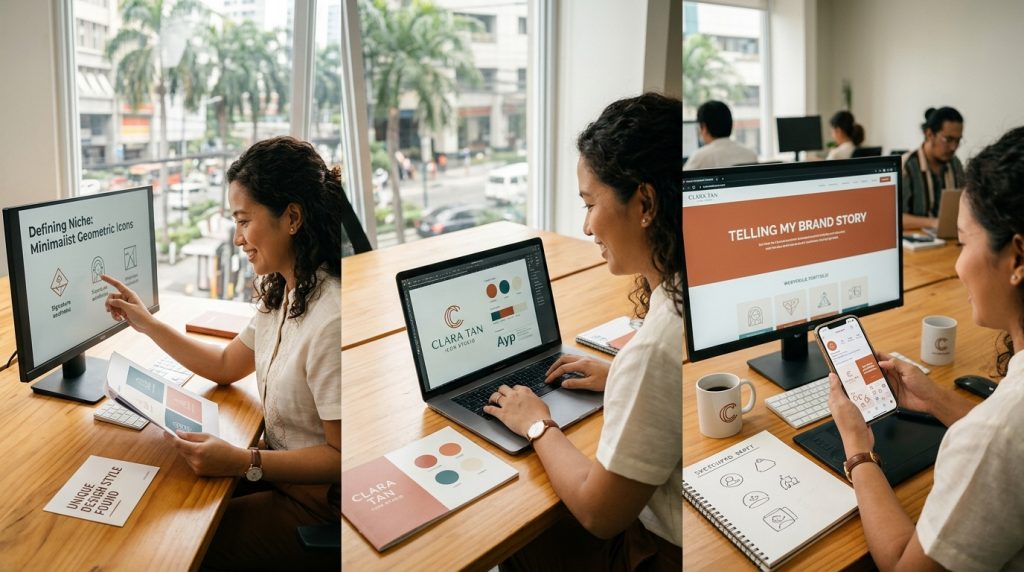
When building an icon designer business, you must think like both a designer and a business owner. This means understanding your audience, defining your niche, and creating value beyond aesthetics.
For example, some designers focus on SaaS icons, while others target mobile apps or marketing visuals. Because of this specialization, they become easier to find and hire.
Additionally, positioning yourself correctly helps you stand out. Without it, even great work can go unnoticed.
Choosing A Profitable Niche For Your Business
One of the first steps in building an icon designer business is choosing a niche. Although general design skills are useful, specialization creates clarity.
A niche allows you to focus your efforts. Instead of trying to serve everyone, you target a specific audience. As a result, your work becomes more relevant.
Popular niches include:
- UI and app icon sets
- SaaS and dashboard icons
- E-commerce visuals
- Industry-specific icon packs
Moreover, niche focus helps with marketing. When people search for specific solutions, your work becomes easier to discover.
If you want to organize your niche content effectively, you can structure your portfolio similarly to content hubs like https://www.wellnessonthegreen.com/golf-buying-guides.
Building A Portfolio That Converts Clients
Your portfolio is your most important asset. It not only showcases your work but also communicates your value.
To grow an icon designer business, your portfolio should focus on clarity and results. Instead of displaying random icons, group your work into meaningful collections.
For example, create sets based on industries or use cases. This helps potential clients understand how your work fits their needs.
Additionally, include context. Show how your icons are used in real designs. Because of this, clients can visualize the impact.
You can also host your portfolio on platforms like https://www.behance.net or https://dribbble.com to increase visibility.
Creating Products And Services For Your Audience
There are multiple ways to monetize your skills. Therefore, building an icon designer business does not rely on a single income stream.
You can offer:
- Custom icon design services
- Pre-made icon packs
- Subscription-based design assets
Each option serves a different audience. Custom work provides higher income per project. Meanwhile, digital products create passive revenue.
Because of this flexibility, many designers combine both approaches. This creates stability while allowing growth.
Pricing Your Work For Long-Term Growth
Pricing is one of the biggest challenges designers face. However, it plays a crucial role in your business success.
When setting prices, focus on value rather than time. Clients pay for results, not hours. Therefore, positioning your work correctly allows you to charge more.
For example, icons used in commercial products have higher value than personal projects. As a result, your pricing should reflect that.
Additionally, offering different pricing tiers helps attract a wider audience. This strategy supports both entry-level and premium buyers.
Marketing Your Icon Designer Business Effectively
Marketing is essential for growth. Without it, even the best work remains unseen.
To grow an icon designer business, focus on consistent visibility. Share your work regularly on platforms where your audience spends time.
For example:
- Post case studies on LinkedIn
- Share designs on Dribbble
- Write insights on your website
Because of this, you build awareness over time. Moreover, consistent sharing establishes credibility.
You can also create content hubs like https://www.wellnessonthegreen.com/golf-insights-and-tips to organize your knowledge and attract traffic.
Building Relationships And Finding Clients
Clients rarely come from a single source. Instead, they come from a mix of visibility, networking, and trust.
To grow an icon designer business, focus on building relationships. Engage with other designers, developers, and product teams.
For instance, commenting on posts or joining communities can lead to opportunities. Additionally, referrals often come from strong relationships.
Because of this, networking becomes a long-term investment.
Scaling Your Business With Systems
As your workload increases, systems become essential. Without them, growth can lead to burnout.
To scale your icon designer business, create processes for:
- Client onboarding
- Project management
- File organization
These systems save time and reduce stress. As a result, you can focus more on creative work.
Additionally, automation tools can handle repetitive tasks. This improves efficiency and consistency.
Expanding Into Passive Income Streams
Passive income is a powerful way to grow your business. Instead of trading time for money, you create assets that generate revenue.
For example, selling icon packs on marketplaces can provide ongoing income. Platforms like https://elements.envato.com offer opportunities to reach larger audiences.
Because of this, passive income adds stability. Moreover, it allows you to scale without increasing workload.
Staying Competitive In A Growing Market
The design industry continues to evolve. Therefore, staying competitive requires ongoing effort.
To maintain a strong icon designer business, keep improving your skills. Learn new tools, explore trends, and refine your style.
At the same time, focus on consistency. Regular updates to your portfolio and products keep your work relevant.
Because of this, you remain visible and competitive.
Conclusion
Building a successful icon designer business requires more than talent. It requires strategy, consistency, and a clear understanding of your market.
By choosing a niche, creating strong portfolios, and developing multiple income streams, you can build a sustainable career. Moreover, focusing on relationships and systems allows you to scale effectively.
Over time, your business becomes more than just a source of income. It becomes a platform for creative growth and long-term success.
FAQ
- How long does it take to build a design business?
It depends on consistency and strategy. Many designers see progress within a few months. - Should I focus on freelance or product sales?
Both can work well together. Combining them creates more stable income. - How do I find my first clients?
Start by sharing your work online and engaging with communities in your niche. - What platforms are best for selling icon packs?
Marketplaces like Envato and Creative Market are popular options. - Can beginners start a design business?
Yes, beginners can start small and grow over time with consistent practice and learning.