
The creative industry is entering a new era of innovation. For decades, design software focused primarily on helping professionals create visual assets more efficiently. Today, however, software developers are introducing increasingly intelligent capabilities that can automate repetitive tasks, streamline workflows, and support decision-making. As a result, the Design Automation Future is becoming one of the most significant topics shaping the evolution of modern design.
Automation is no longer limited to simple actions such as resizing images or organizing files. Modern tools can generate layouts, recommend design improvements, assist with content creation, and support collaboration across teams. Consequently, designers are beginning to rethink how they approach creative work and how technology fits into their daily processes.
While some professionals worry that automation may reduce the role of human creativity, many industry leaders view it differently. Instead of replacing designers, automation is increasingly becoming a supportive partner that handles routine activities while allowing people to focus on innovation, strategy, and problem-solving. Understanding the Design Automation Future is therefore essential for anyone seeking long-term success in the creative industry.
As technology continues to evolve, designers who embrace these developments will be better positioned to improve productivity, enhance creativity, and adapt to changing market expectations.
How Automation Has Evolved in Design Software
The journey toward the Design Automation Future did not begin with artificial intelligence. Automation has existed within creative tools for many years, although its capabilities were far more limited.
Early forms of automation focused on repetitive production tasks. Features such as batch processing, templates, keyboard shortcuts, and predefined actions helped designers complete routine work more efficiently. These tools saved time, but they still required significant manual oversight.
As software became more advanced, automation expanded into workflow management. Design systems, reusable components, cloud synchronization, and collaborative environments improved consistency and reduced repetitive effort. Consequently, teams could work more efficiently while maintaining quality standards.
The emergence of machine learning accelerated this transformation. Modern software can now recognize patterns, analyze user behavior, and provide intelligent recommendations. These capabilities allow automation to move beyond execution and begin supporting decision-making.
Today, many platforms can generate design variations, optimize layouts, and automate content organization. These advancements provide a glimpse into how the Design Automation Future may continue evolving over the coming years.
Rather than simply performing tasks faster, modern automation increasingly helps designers make better decisions and explore more creative possibilities.
Reducing Repetitive Work Without Limiting Creativity
One of the greatest benefits of the Design Automation Future involves reducing the amount of repetitive work required throughout the creative process.
Many design projects include routine activities that consume valuable time. Organizing files, adjusting layouts, updating assets, creating multiple variations, and preparing deliverables often require substantial effort. While necessary, these tasks rarely represent the most creative aspects of design work.
Automation helps address this challenge by handling repetitive processes more efficiently. As a result, designers gain additional time to focus on strategy, concept development, user experience, and visual storytelling.
Importantly, automation does not eliminate creative decision-making. Instead, it supports it. For example, a tool may generate multiple layout options, but designers still determine which solution best meets project goals.
Similarly, automated systems can suggest color combinations, typography pairings, or design improvements. However, human judgment remains essential for evaluating context, brand identity, and audience expectations.
This balance represents a key aspect of the Design Automation Future. Technology manages routine execution while designers contribute creativity, empathy, and critical thinking.
The result is a workflow that combines efficiency with innovation rather than forcing a choice between the two.
The Growing Role of Artificial Intelligence
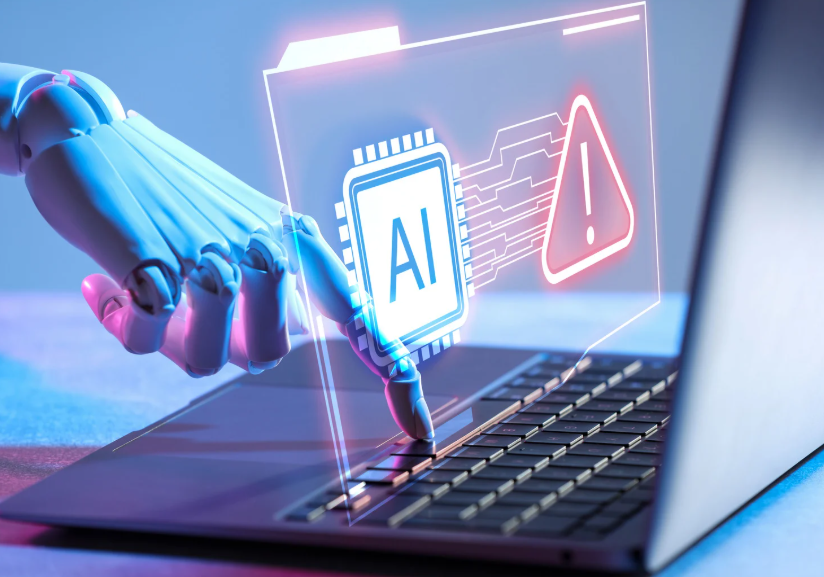
Artificial intelligence plays a central role in shaping the Design Automation Future. AI-powered features are becoming increasingly common across creative software platforms, introducing new possibilities for both individuals and teams.
Modern AI systems can analyze large volumes of information quickly. This capability enables software to identify patterns, generate recommendations, and assist with tasks that previously required significant manual effort.
For example, designers can use AI tools to create initial concepts, generate image variations, write content suggestions, and improve accessibility. These capabilities accelerate workflows while supporting more informed decisions.
Additionally, artificial intelligence helps reduce technical barriers. New users can often complete complex tasks more easily because software provides guidance and automation throughout the process.
Predictive functionality is also expanding. AI systems may anticipate design needs, recommend assets, or suggest workflow improvements based on previous activity. Consequently, software becomes more proactive and personalized.
Despite these advancements, human expertise remains essential. Artificial intelligence can generate options, but it cannot fully understand cultural context, emotional nuance, or strategic business goals. Therefore, the Design Automation Future will likely involve close collaboration between intelligent systems and creative professionals.
Improving Collaboration Across Creative Teams
The modern workplace increasingly depends on collaboration. Designers rarely work in isolation. Instead, they coordinate with developers, marketers, product managers, researchers, and business stakeholders. This reality makes collaboration a critical part of the Design Automation Future.
Automation can improve communication by reducing administrative burdens and streamlining information sharing. Project updates, file organization, version control, and task tracking can often occur automatically through connected systems.
Additionally, intelligent collaboration tools can summarize feedback, highlight priorities, and identify unresolved issues. These features help teams stay aligned while reducing the time required to manage project communication.
Automation also supports consistency across large organizations. Design systems can automatically enforce standards, ensuring that teams maintain cohesive visual languages and user experiences.
Remote and hybrid work environments benefit significantly as well. Automated workflows help distributed teams coordinate effectively regardless of location. Consequently, collaboration becomes more efficient and less dependent on manual processes.
As organizations continue adopting flexible work models, the role of automation in supporting teamwork will likely expand even further.
Personalization and Adaptive Design Experiences
Another important aspect of the Design Automation Future involves personalization. Modern software increasingly adapts to individual users, project requirements, and organizational workflows.
Traditional design tools offered the same experience to every user. While effective, this approach often required professionals to customize workflows manually. Today, automation allows software to learn from behavior and provide more relevant support.
For example, intelligent systems may recommend frequently used assets, automate recurring tasks, or adjust interfaces based on user preferences. These personalized experiences improve efficiency and reduce friction.
Adaptive design environments can also support learning. New users may receive guidance and recommendations tailored to their skill levels, while experienced professionals access more advanced capabilities.
Furthermore, automation enables more personalized experiences for end users. Designers can create products that adapt dynamically based on customer preferences, behaviors, and needs. This capability supports stronger engagement and improved user satisfaction.
As personalization technologies continue advancing, software will become increasingly responsive to both creators and audiences.
Challenges and Considerations for Designers
Although the Design Automation Future offers many advantages, it also presents challenges that designers must address thoughtfully.
One concern involves overreliance on automation. When professionals depend too heavily on automated systems, they may risk weakening foundational skills. Therefore, maintaining strong design fundamentals remains essential.
Ethical considerations also deserve attention. Automated systems can influence creative decisions, making transparency and accountability increasingly important. Designers must understand how technology affects outcomes and ensure that automated recommendations align with project goals.
Privacy and data security represent additional concerns. Many intelligent systems rely on data collection and analysis to function effectively. Organizations must therefore implement safeguards that protect sensitive information.
Another challenge involves adapting to change. As software evolves rapidly, professionals must continuously update their knowledge and skills. Lifelong learning will remain a critical component of success.
Despite these challenges, the opportunities associated with automation often outweigh the risks when technology is used thoughtfully and responsibly.
Understanding both the benefits and limitations of automation helps designers make informed decisions as the industry evolves.
Preparing for the Next Generation of Design Tools
The Design Automation Future will likely continue advancing at a rapid pace. Emerging technologies such as generative AI, predictive analytics, augmented reality, and intelligent collaboration platforms are already influencing software development.
Future tools may automate increasingly complex tasks while providing deeper strategic insights. Designers could receive real-time recommendations based on audience behavior, performance data, and business objectives.
Creative workflows may become more integrated as platforms connect seamlessly across departments and disciplines. This connectivity will help organizations reduce inefficiencies and improve collaboration.
Additionally, accessibility improvements may become more automated. Software could proactively identify usability issues and recommend solutions that improve experiences for diverse audiences.
To prepare for these changes, designers should focus on adaptability. Technical skills remain important, but creativity, communication, critical thinking, and problem-solving will become even more valuable as automation expands.
Professionals who embrace continuous learning will be best positioned to take advantage of future opportunities and remain competitive in evolving markets.
Conclusion
The creative industry is undergoing a significant transformation, and the Design Automation Future sits at the center of this evolution. Automation is no longer limited to simple productivity enhancements. Instead, it is becoming an intelligent partner that supports creativity, improves collaboration, streamlines workflows, and helps designers make more informed decisions.
By reducing repetitive tasks and enabling greater focus on strategic work, automation allows creative professionals to spend more time on the aspects of design that require human insight and innovation. At the same time, emerging technologies continue to introduce new possibilities that expand what designers can achieve.
While challenges related to ethics, adaptability, and skill development remain important, the overall direction of the industry is clear. The Design Automation Future will continue shaping how creative work is planned, executed, and delivered across organizations worldwide.
Designers who understand these changes and embrace them thoughtfully will be better prepared to thrive in an increasingly intelligent and connected creative environment. Rather than replacing creativity, automation will help unlock its full potential in the years ahead.
FAQ
1. Will automation replace professional designers in the future?
No. Automation supports efficiency and execution, but human creativity, strategy, and problem-solving remain essential.
2. What tasks are most commonly automated in design software?
File management, asset organization, layout generation, content suggestions, and workflow coordination are commonly automated.
3. How does artificial intelligence support creative work?
AI can generate ideas, recommend improvements, analyze data, and assist with repetitive tasks that consume time.
4. Why is adaptability important in modern design careers?
Technology evolves rapidly, and adaptable professionals can take advantage of new opportunities more effectively.
5. How can designers prepare for future software innovations?
Continuous learning, strong design fundamentals, and openness to experimentation help professionals stay competitive.